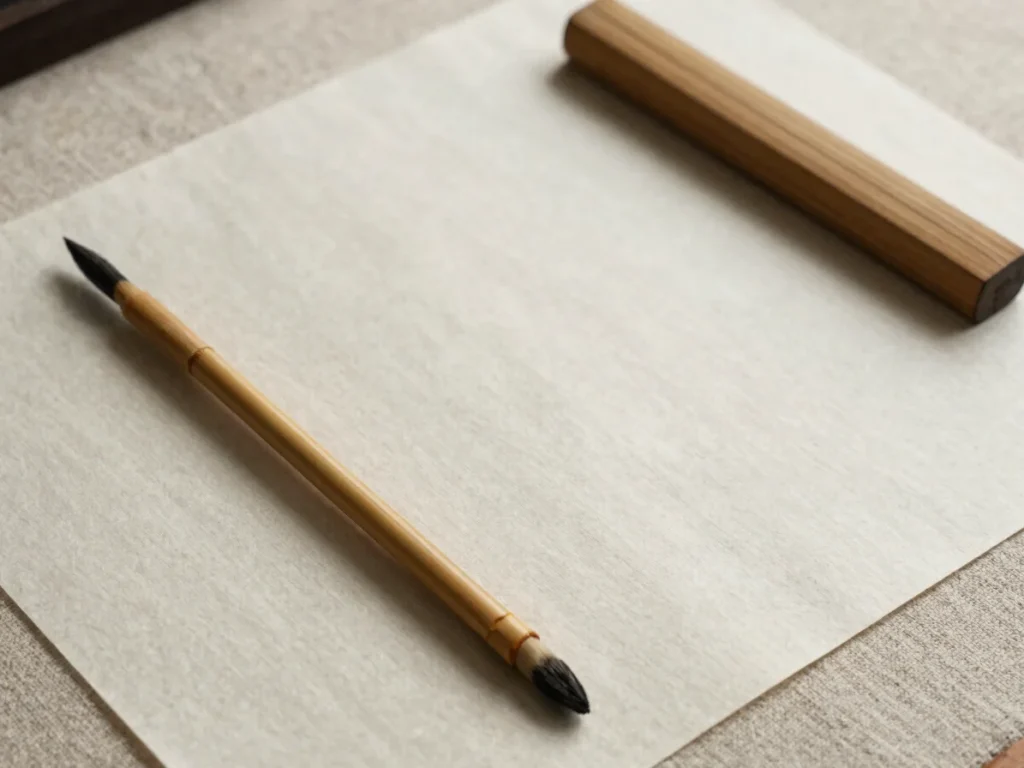
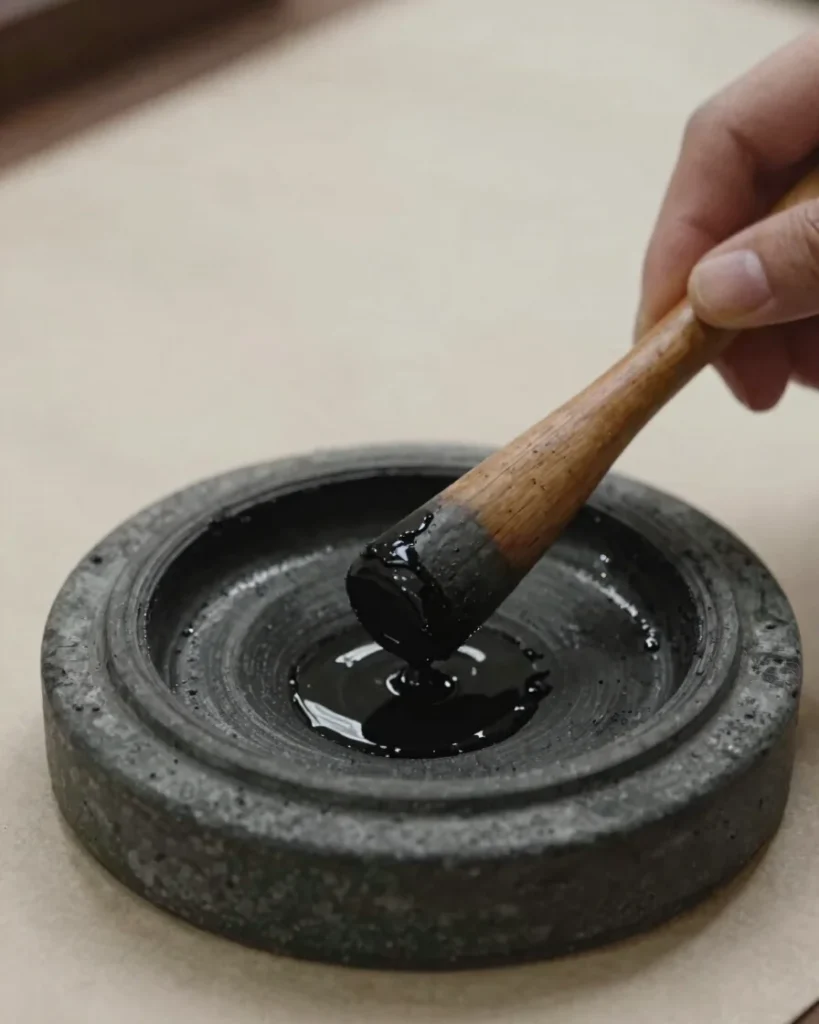
墨光里 was started to keep the practice of painting and calligraphy close to its tools. A lesson shows the stroke; the right brush, paper, and ink make it possible to repeat it at home.
Absorbent paper takes a stroke quickly, so the ink must be ground to the right density before the brush touches it. A brush with good hair elasticity returns to its point after each press, keeping thin and thick lines under control.
Materials here are chosen for these traits: paper that holds ink without feathering, pigment with consistent density, and brushes that spring back when pressure changes.
Digital lessons let you pause, replay, and move through foundational strokes at your own pace. Ink balance and pacing are easier to see when you watch the same movement repeatedly before attempting it yourself.
Studio habits build on that. Setting up the same table, grinding ink each morning, and practicing one stroke until it feels steady gives the lesson a place to land in everyday work.